 United States
 United Kindom
 Canada
 Europe
 France
 Spain
Spain
 Italy
Italy
 Australia
How to Waterproof a Wooden Mud Kitchen: A Complete Guide for Outdoor Play
May 08,2026 | Marian V. Obsuna
A wooden mud kitchen is one of the best ways to bring outdoor play to life. It transforms a backyard, patio, or garden corner into a creative little world where children can mix “soups,” bake pretend mud pies, and explore sensory play in the most natural way possible.
But while wooden mud kitchens are beautiful, durable, and endlessly fun, they do face one major challenge: the weather. Rain, sun, moisture, mud, and changing temperatures can quickly wear down untreated wood. Without proper protection, even the most charming outdoor play kitchen can start to crack, fade, warp, or develop mold. That’s why learning how to waterproof a wooden mud kitchen is one of the smartest things you can do as a parent.
This guide will walk you through everything you need to know about waterproofing a wooden mud kitchen.
Why Waterproofing a Wooden Mud Kitchen Is Essential?
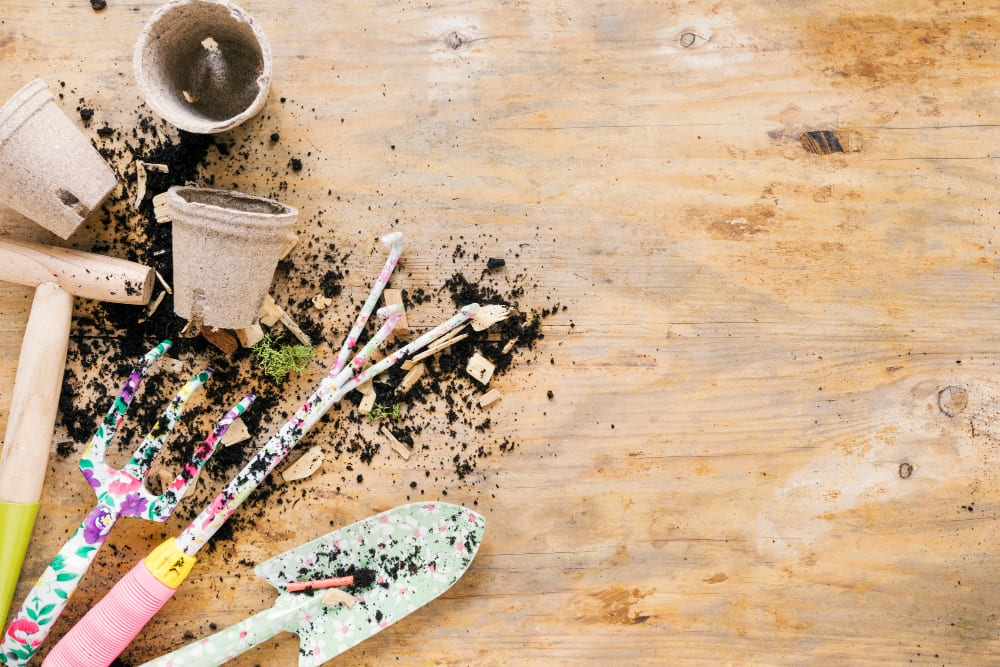
Without waterproofing, the wooden mud kitchen becomes vulnerable to several common problems.
1. Prevents Rot and Mold
Wood absorbs moisture quickly. When water sits inside the wood for too long, it creates the perfect environment for mold, mildew, and rot. This not only weakens the structure of the mud kitchen but can also create hygiene concerns for children during play. A proper waterproof seal helps block moisture from penetrating the wood and keeps the surface safer and cleaner.
2. Protects Against Cracking and Warping
Sun and rain create a constant cycle of expansion and contraction in untreated wood. Over time, this leads to splitting, cracking, and warping. If your child’s mud kitchen starts leaning, wobbling, or splintering, weather exposure is often the reason. Waterproofing helps preserve the wood’s shape and keeps the structure sturdy.
3. Extends the Life of Your Investment
A quality wooden mud kitchen is something families often want to enjoy for years - and sometimes even pass down to younger siblings.
Applying protective treatments early helps prevent costly repairs or early replacement. Think of waterproofing as long-term maintenance rather than an extra chore.
4. Keeps It Looking Beautiful
Sun-faded wood and water stains can make even the cutest mud kitchen look tired. Waterproof finishes help preserve the natural charm of the wood while maintaining that warm, inviting outdoor aesthetic parents love. Especially with beautifully designed pieces like those from Robud, protecting the visual appeal matters just as much as durability.
5. Supports Safe Outdoor Play
Splintering wood, mold buildup, and weakened surfaces can all affect play safety. A well-maintained waterproofed mud kitchen creates a safer environment where kids can focus on creativity instead of parents worrying about damage.
What You Need Before You Start
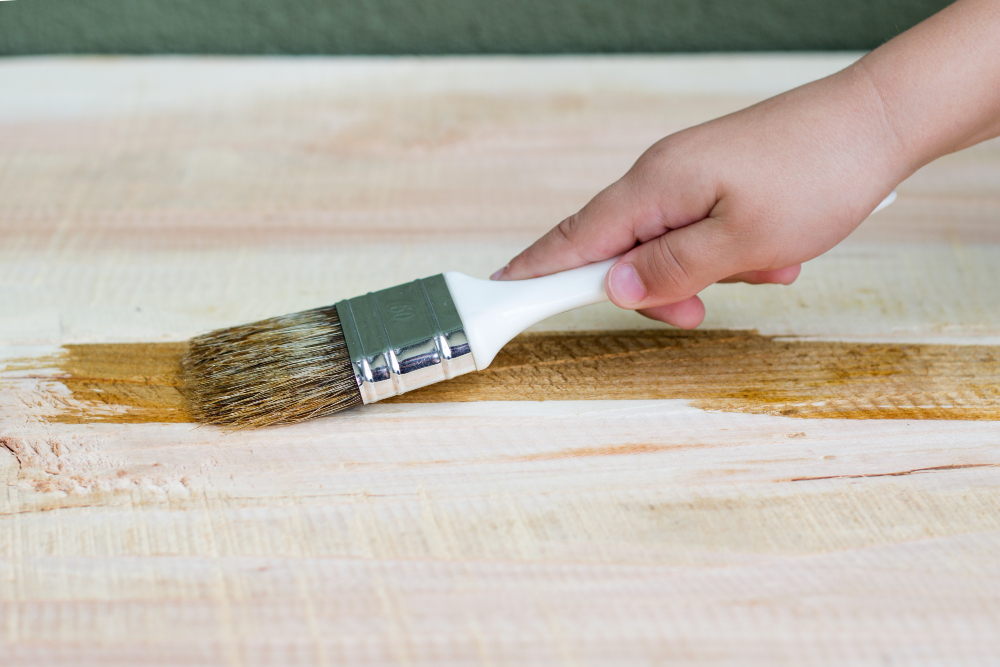
Before you begin waterproofing your wooden mud kitchen, gathering the right supplies will make the process smoother and much more effective.
- Mild soap and water: For cleaning
- Soft cloth or sponge: For damage prevention.
- Sandpaper: Medium and fine grit sandpaper to smoothen rough edges.
- Outdoor wood sealant or waterproof wood preserver: Choose a child-safe, non-toxic waterproof sealant specifically designed for outdoor wooden furniture or play equipment. Look for low-VOC or water-based products whenever possible.
- Paintbrush or foam applicator: To apply sealant
- Protective gloves: To keep your hands clean
- Drop cloth or old sheet: For protecting your patio, grass, or driveway while you work so you’re not messy.
Step-by-Step: How to Waterproof a Wooden Mud Kitchen?
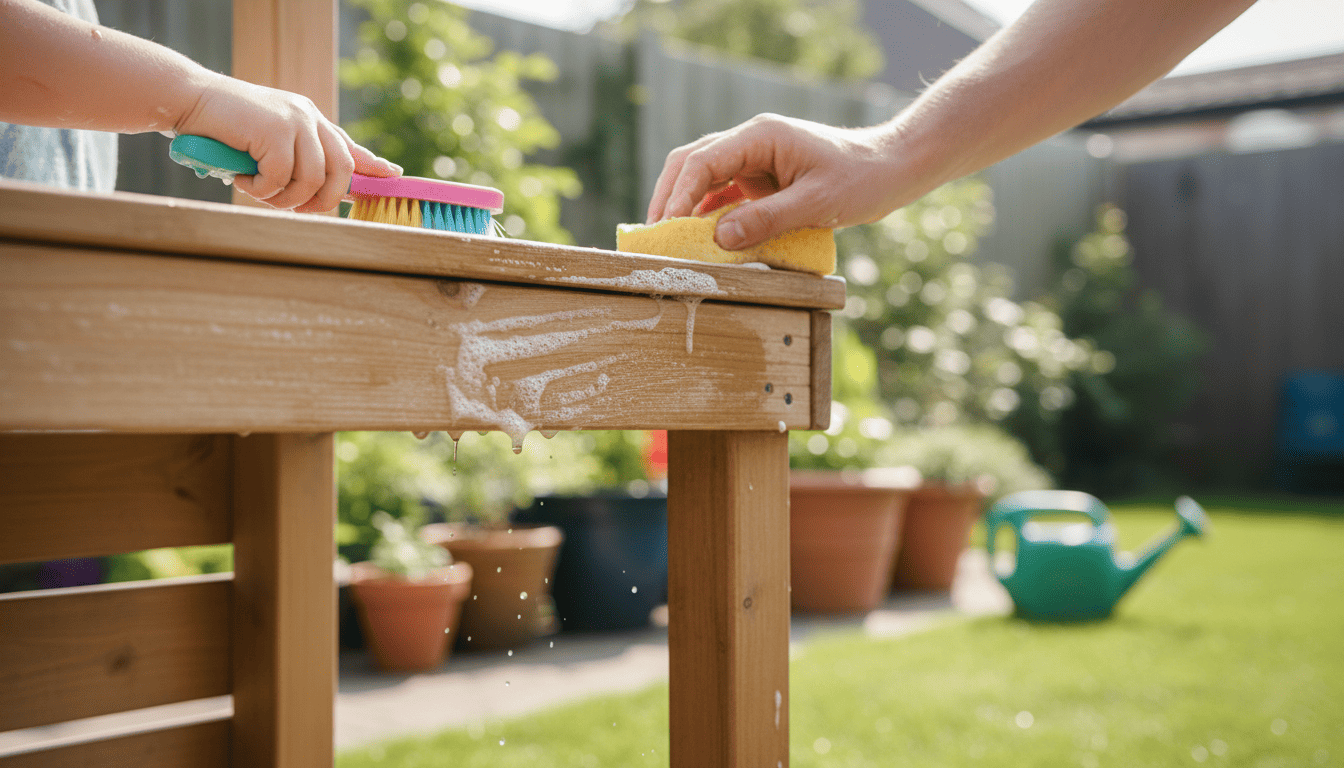
Now let’s walk through exactly how to waterproof your wooden mud kitchen properly.
Step 1: Clean the Entire Surface Thoroughly
Before sealing anything, the wood must be completely clean. Remove mud, dirt, leaves, dust, and any leftover food play residue. Wash the surface using mild soap and warm water with a sponge or soft cloth.
Pay special attention to:
- countertops
- shelves
- sink areas
- lower legs
- corners and joints
These areas usually collect the most moisture. Once cleaned, let the mud kitchen dry fully. Never apply waterproofing products to damp wood. Drying may take 24–48 hours depending on weather conditions.
Step 2: Sand Rough or Weathered Areas
Once dry, inspect the surface carefully. If you notice rough patches, splinters, peeling finish, or slightly raised wood grain, sanding is the next step. You can start with a medium-grit sandpaper first, then finish off with a fine grit.
Focus especially on:
- edges
- corners
- tabletop surfaces
- handles
- frequently touched areas
This improves both safety and sealant absorption. After sanding, wipe off the dust with a clean, dry cloth.
Step 3: Apply Child-Safe Wood Preserver
For older mud kitchens or wood that has already seen some weather exposure, a wood preserver adds an extra layer of defense. This helps protect against fungal growth, insects, and deep moisture damage. Make sure the product is suitable for children’s outdoor play equipment. Let it dry fully before moving to the next step.
Step 4: Apply the Waterproof Sealant
This is the main protection stage. Using a clean brush or foam applicator, apply your waterproof wood sealant in thin, even layers. Don’t rush.
Make sure you cover:
- all exterior surfaces
- legs and bottom sections
- undersides where moisture collects
- corners and joints
- around sink inserts or accessories
These hidden areas are often where damage starts first. Avoid applying thick coats, as they may dry unevenly. Thin coats create stronger, longer-lasting protection. Let the first coat dry according to the manufacturer’s instructions.
Step 5: Add a Second Coat for Stronger Protection
For outdoor furniture like a mud kitchen, one coat is rarely enough. A second coat improves weather resistance significantly and helps the protection last through changing seasons. Apply the second coat the same way. If your mud kitchen stays outside year-round, extra protection is worth it.
Step 6: Let It Cure Completely
Drying and curing are not the same. Even if the surface feels dry to the touch, the sealant may still need additional time to fully harden. Wait the full recommended curing time before children start playing again.
This ensures:
- stronger durability
- better moisture resistance
- safer use for kids
Patience here protects all your effort.
Step 7: Maintain It Seasonally
Waterproofing is not a one-time job forever. Check your mud kitchen every few months for signs of wear like the following:
- faded finish
- rough patches
- water absorption
- discoloration
- small cracks
Most wooden mud kitchens benefit from resealing once or twice a year depending on climate. Regular maintenance keeps it looking new and prevents bigger repairs later.
FAQs
How often should I waterproof a wooden mud kitchen?
Most wooden mud kitchens should be waterproofed every 6–12 months depending on weather exposure. If your kitchen sits in direct rain or strong sun year-round, seasonal resealing is ideal.
Can I use regular wood varnish?
Not always. Some indoor varnishes are not suitable for outdoor furniture and may contain chemicals that are not ideal for children’s play spaces. Always choose an outdoor-grade, child-safe wood sealant.
Should I cover the mud kitchen when not in use?
Yes, if possible. Using a waterproof outdoor cover or placing the mud kitchen in a sheltered area helps reduce wear and extends the life of the waterproof coating. This works especially well during rainy seasons.
Can I paint the mud kitchen before waterproofing?
Absolutely. Just make sure you use weather-resistant, child-safe outdoor paint or stain first, then apply a waterproof topcoat for protection. Paint alone usually isn’t enough.
Komentiraj