 United States
 United Kindom
 Canada
 Europe
 France
 Spain
Spain
 Italy
Italy
 Australia
Montessori Push Walker Guide: Benefits, Safety & Buying Tips
Oct 08,2026
Learning to walk is one of the biggest milestones in a baby's first years. It's exciting to watch those first wobbly steps, but it's also natural for parents to wonder how they can safely support the process.
That's where a Montessori push walker comes in. Unlike traditional walkers that babies sit inside, Montessori push-walkers encourage little ones to move using their own strength, balance, and coordination. They're designed to support natural development rather than rush it.
In this guide, you'll learn what a Montessori push walker is, its benefits, the right age to introduce one, how it compares to traditional baby walkers, what features matter most when buying one, and some of the best Robud Montessori push walkers to consider.
What Is a Montessori Push Walker?
A Montessori push walker is a wooden walking aid designed to help babies practice standing, balancing, and taking independent steps. Instead of placing babies inside a wheeled seat, these walkers allow children to stand behind the toy while gently pushing it forward at their own pace.
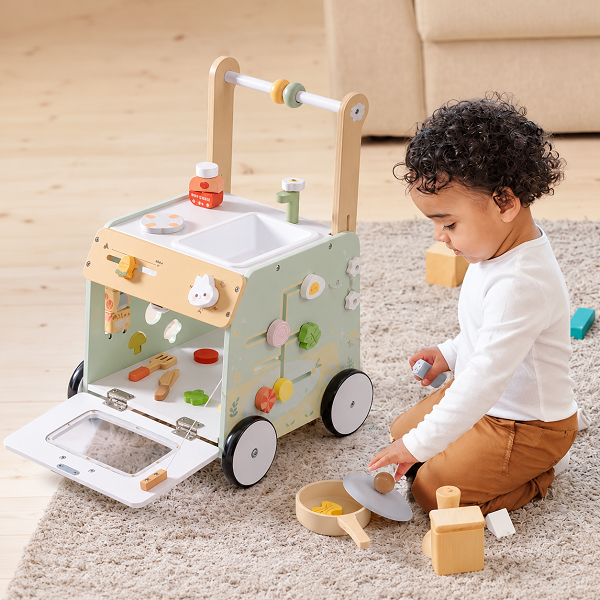
The philosophy comes from Montessori education, which emphasizes independence, hands-on learning, and allowing children to develop skills naturally. Rather than doing the work for the child, Montessori toys provide just enough support for exploration.
Most Montessori push walkers include more than just a handle and wheels. Many feature built-in activity panels with gears, shape sorters, bead mazes, spinning blocks, or musical elements that keep babies engaged before they're ready to walk.
Because they're usually made from solid wood, Montessori push walkers are heavier and more stable than lightweight plastic alternatives. This additional weight ensures that there are fewer instances of sudden rolls, making learning easier for the beginner.
The goal isn't to teach babies to walk earlier. Instead, it's to create an environment where they can safely practice when they're developmentally ready.
Are Montessori Push Walkers Good for Babies?
For many families, the answer is yes. When introduced at the appropriate developmental stage and used under supervision, Montessori push walkers offer several benefits that support healthy movement and learning.
They Encourage Natural Walking Development
Babies must use their own muscles to pull themselves up, shift their weight, maintain balance, and move forward. This closely mirrors how independent walking naturally develops. Unlike seated walkers, there's no artificial support holding the baby's body upright.
They Improve Balance and Coordination
Every step requires babies to coordinate their legs, feet, hips, and core muscles. As they gain confidence, they become better at controlling movement and maintaining stability.
Over time, this practice strengthens overall motor coordination.
They Build Muscle Strength
Walking isn't just about the legs.
A push walker helps strengthen:
- Core muscles
- Legs
- Hips
- Ankles
- Shoulder stability
- Grip strength
These muscles work together during every step.
They Promote Independence
One of the core Montessori principles is allowing children to accomplish tasks independently.
Instead of relying on adults to carry or position them, babies decide:
- when to stand
- when to push
- how fast to move
- when to stop
This freedom builds confidence alongside physical skills.
They Offer More Than Walking Practice
Many Montessori push walkers double as activity centers.
Interactive elements help develop:
- Fine motor skills
- Hand-eye coordination
- Problem-solving
- Shape recognition
- Color recognition
- Cause-and-effect understanding
That means the toy stays useful even before walking begins.
What Age Is a Montessori Push Walker Suitable For?
Rather than focusing strictly on age, it's more helpful to look at your baby's developmental readiness.
Most babies begin using a Montessori push walker between 9 and 15 months, although every child develops at a different pace.
Signs your baby may be ready include:
- Pulling up to stand independently
- Cruising along furniture
- Standing for a few seconds without support
- Showing interest in walking
- Taking assisted steps while holding your hands
If your baby isn't doing these things yet, there's no need to rush. Children reach milestones at different times, and introducing a push walker too early won't speed up development.
Even before walking, many babies enjoy exploring the activity panel while sitting or kneeling, making the toy useful for several months before it becomes a walking aid.
Montessori Push Walker vs Traditional Baby Walker
Although both products include the word "walker," they work in completely different ways.
| Feature | Montessori Push Walker | Traditional Baby Walker |
|---|---|---|
| Baby's position | Standing behind the walker | Sitting inside a frame |
| Movement | Powered entirely by the baby | Wheels move with little effort |
| Muscle development | Encourages natural movement | Provides artificial support |
| Balance practice | Yes | Limited |
| Independence | High | Lower |
| Long-term developmental value | Excellent | More limited |
What to Look for in the Best Montessori Push Walker
Not every push walker is built the same. Here are the features worth considering before making your choice.
Stable Construction
A sturdy wooden frame offers better stability than lightweight plastic models. The extra weight helps prevent the walker from rolling too quickly when babies first begin practicing.
Controlled Wheel Speed
Some walkers include rubber wheels or adjustable wheel resistance. These features help slow the walker down, giving beginners more control and reducing the chance of sudden slips.
Comfortable Handle Height
The handle should allow babies to stand comfortably without bending too far forward or reaching too high. A well-positioned handle encourages better posture while walking.
Smooth, Rounded Edges
As babies are naturally curious to explore using their mouth as well as hands, make sure that there is a smooth finish and round edges with no splinters in the wood.
Safe, Child-Friendly Materials
Choose walkers made from high-quality wood with non-toxic, water-based paint and finishes. These materials are safer for curious babies who often touch and mouth their toys.
Multi-Activity Features
A walker that includes shape sorters, spinning gears, bead mazes, puzzles, or sensory activities provides much more value than a walking aid alone.
Interactive play keeps children engaged even before they're confidently walking.
Easy-to-Grip Wheels
Rubber-coated wheels protect floors while also giving babies better traction during their first walking attempts.
Durable Design
A well-made wooden push walker often lasts through multiple developmental stages and can even be passed down to younger siblings.
Best Robud Montessori Push Walkers
Robud offers a wide range of beautifully designed wooden push walkers that combine Montessori-inspired learning with engaging activities. Here are five excellent options from their collection.
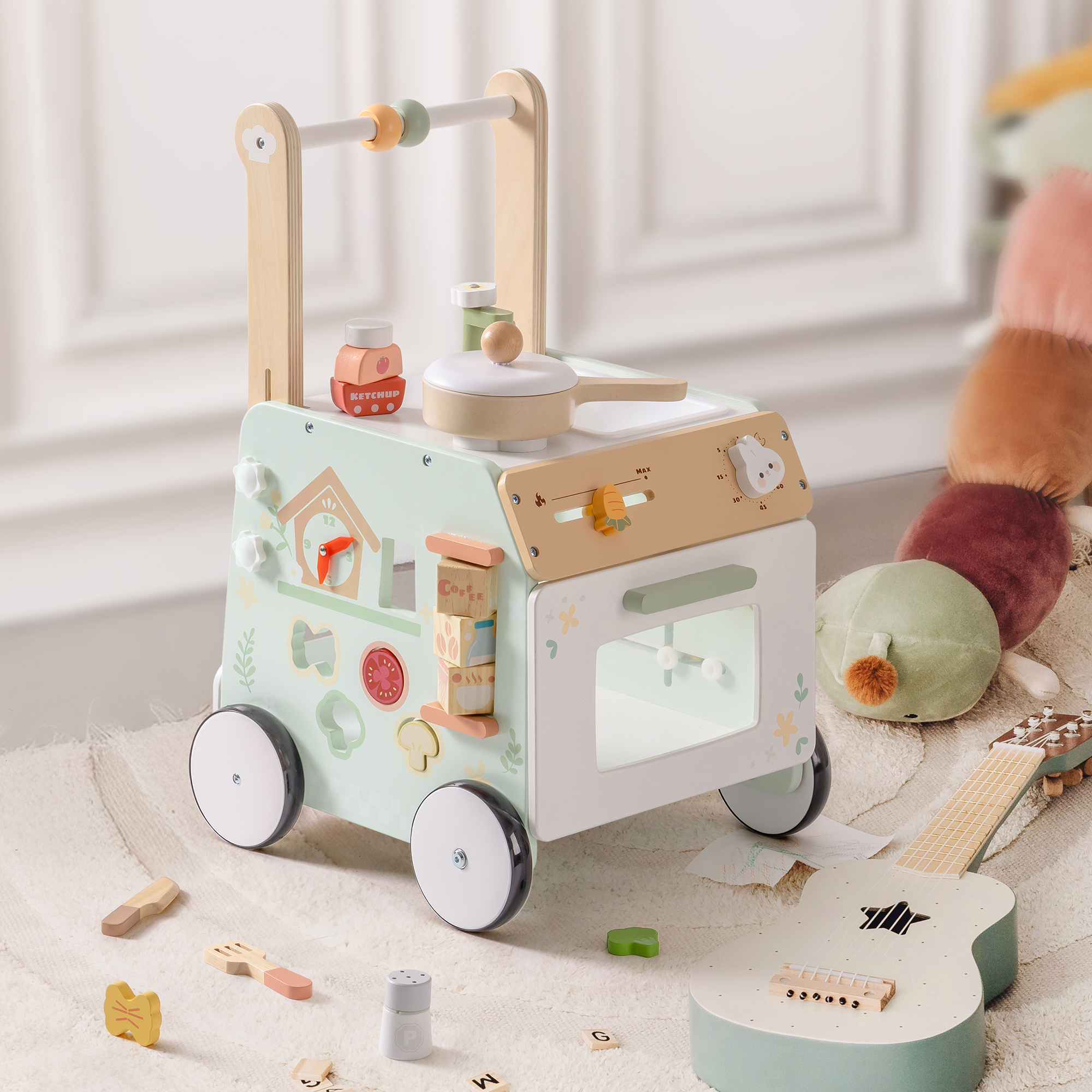
1. ROBUD Wooden Baby Push Walker Spring Countryside
This charming countryside-themed walker features a sturdy wooden frame with a multi-activity panel that encourages both gross and fine motor development. It's a great all-rounder for babies who are beginning to pull themselves up and take their first steps. The wide base and interactive play elements help keep little ones engaged even before they're walking confidently.
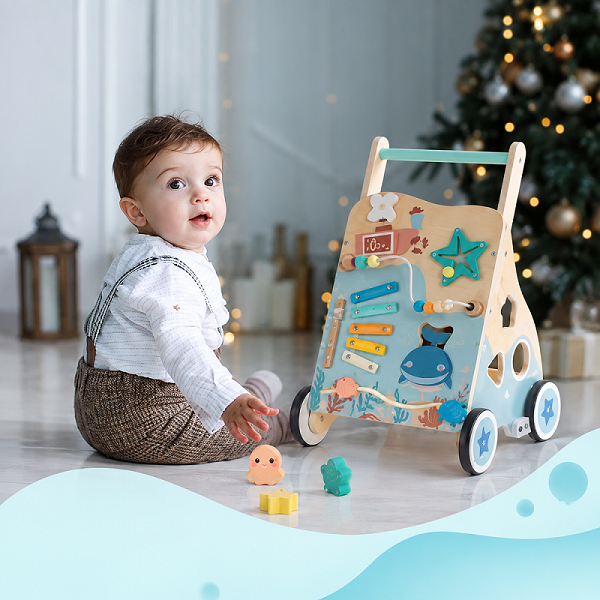
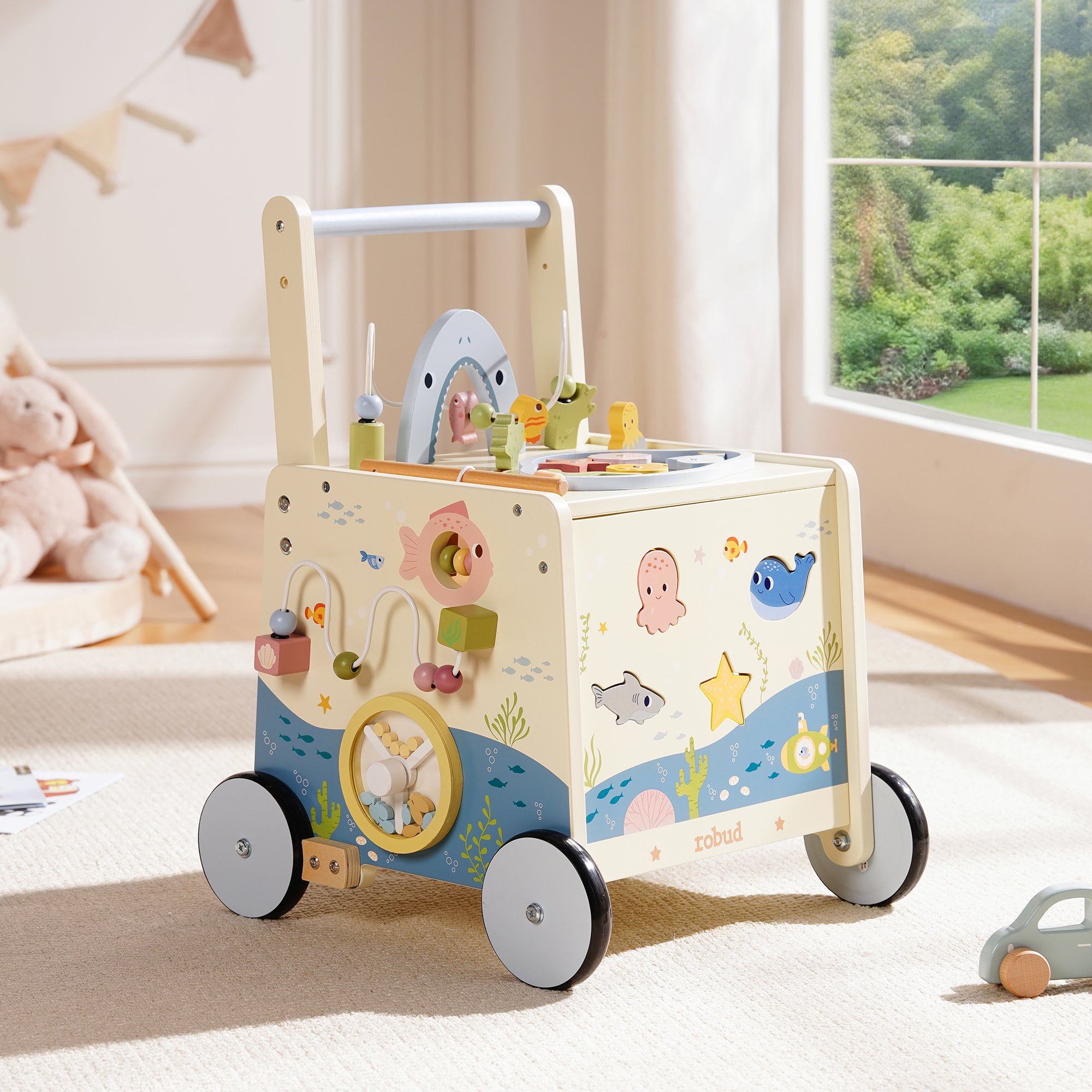
2. ROBUD Wooden Baby Push Walker - Underwater World
With its colorful ocean-inspired design, this push walker combines walking practice with hands-on learning activities. The interactive front panel promotes hand-eye coordination, while the solid wooden construction provides stability for early walkers. It's an excellent choice for parents looking for a walker that also functions as an activity center.
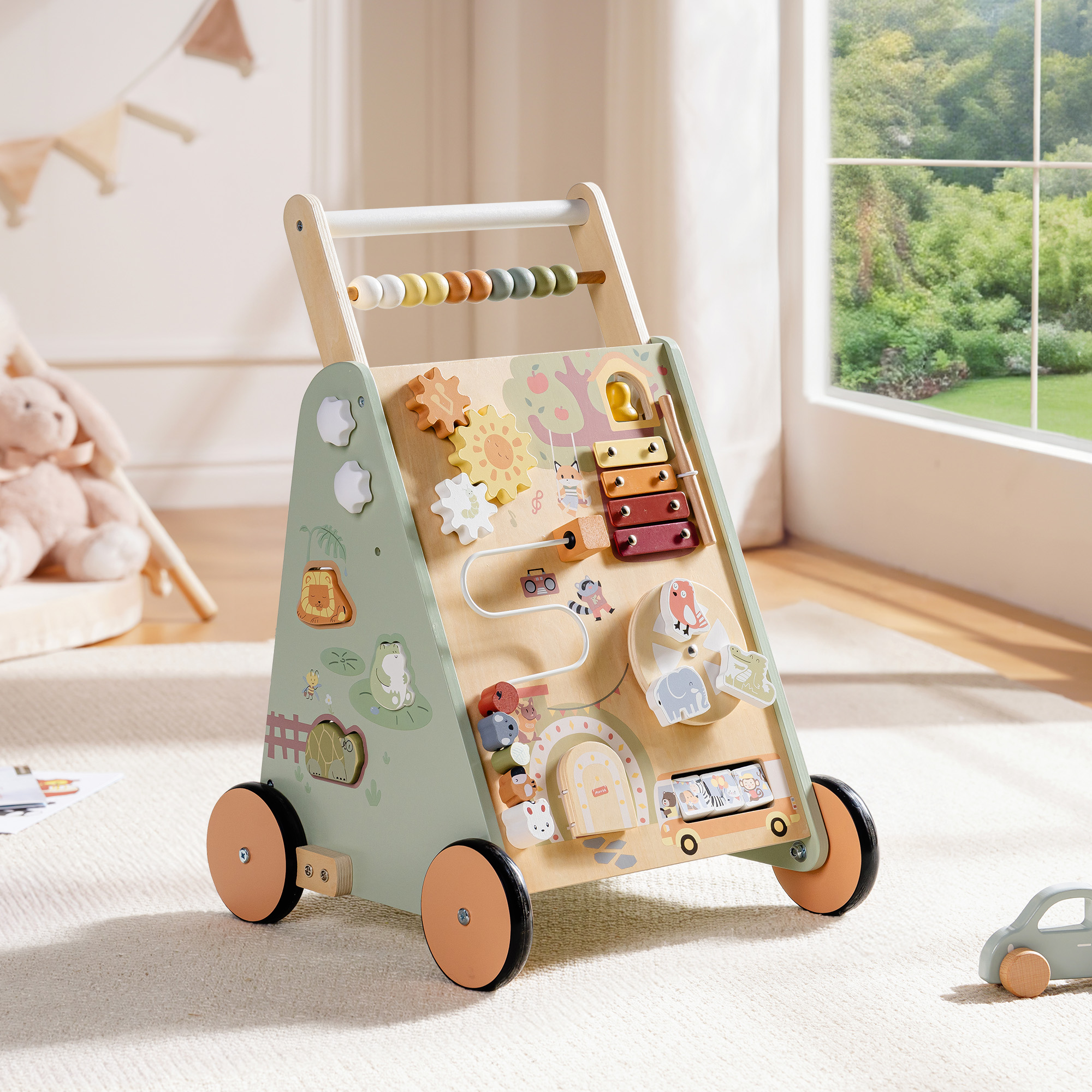
3. ROBUD Forest Fairy Baby Push Walker
The Forest Fairy model stands out with its whimsical woodland theme and educational activity board. It encourages imaginative play alongside motor skill development, making it suitable for babies from around 9 months as they progress from sitting play to cruising and walking.
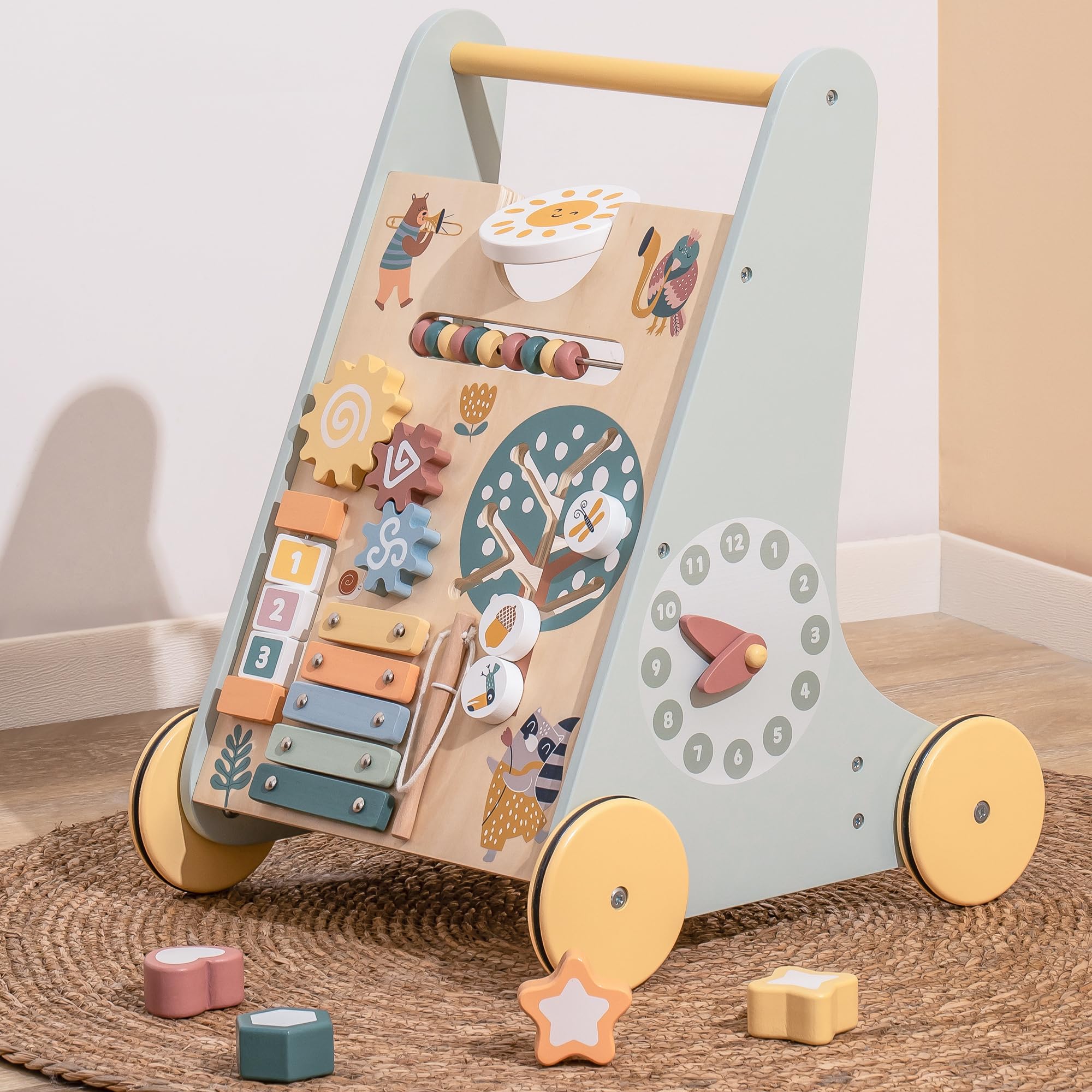
4. ROBUD Wooden Baby Push Walker - Forest Vitality
This nature-inspired walker is designed to help babies develop balance, coordination, and confidence during their first walking attempts. Alongside its sturdy push bar, it includes interactive activities that support fine motor skills, concentration, and early cognitive development.
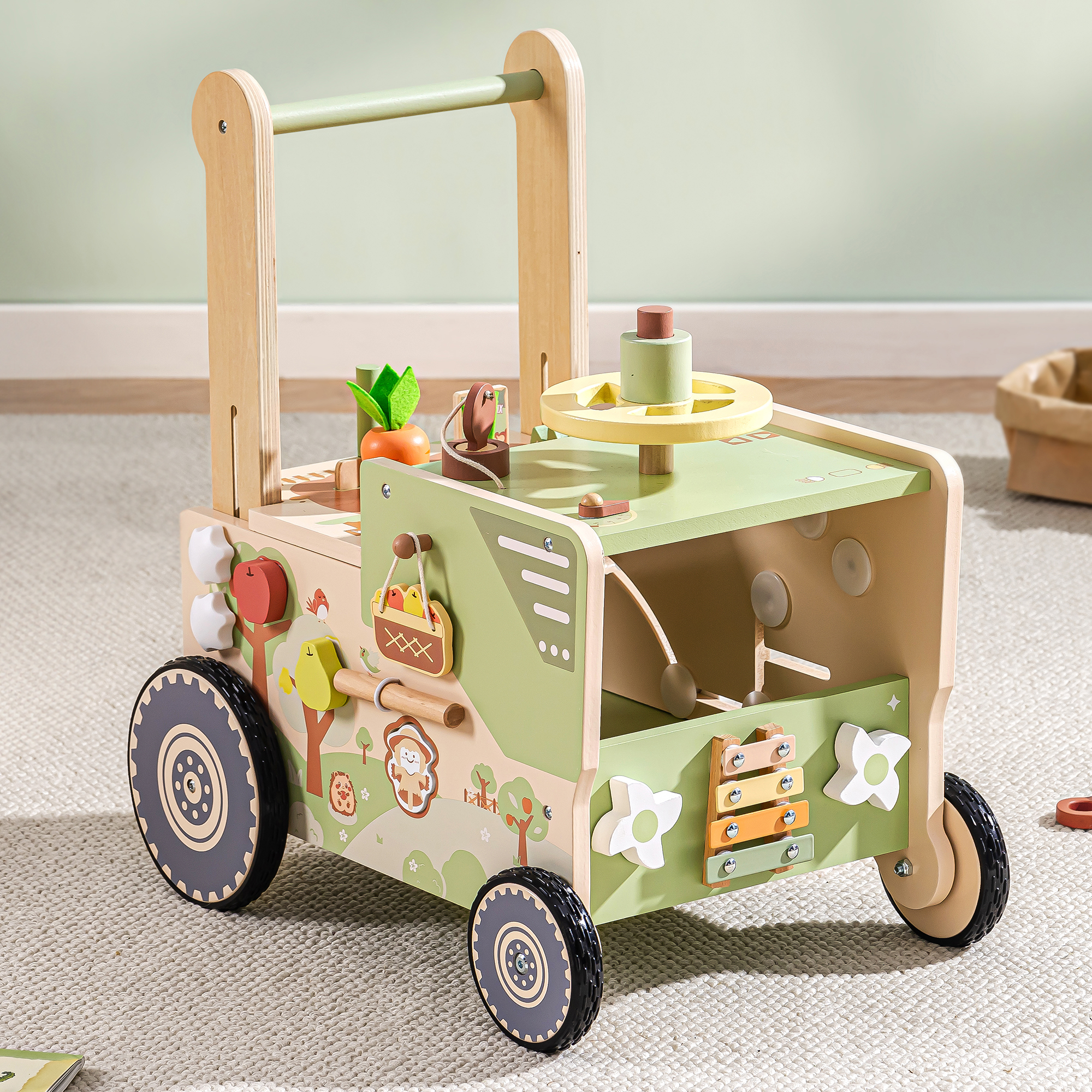
5. ROBUD Wooden Baby Push Walker Green Farm
The Green Farm edition combines a farm-themed design with a multifunctional activity center. Babies can explore different hands-on games while strengthening balance and coordination through walking practice. Its durable wooden construction and engaging design make it a toy that remains useful well beyond the first steps.
FAQs
Are Montessori push walkers safe for babies?
Yes, Montessori push walkers are generally considered safe when used on a flat, non-slip surface under adult supervision. Unlike traditional seated baby walkers, push walkers encourage babies to walk using their own balance and strength instead of supporting them in an upright position. Choose a model with a sturdy wooden frame, smooth edges, non-toxic finishes, and wheels that provide controlled movement for added stability.
Do Montessori push walkers help babies walk sooner?
A Montessori push walker doesn't teach babies to walk earlier than they're developmentally ready. Instead, it provides support while babies practice skills they're already beginning to develop, such as standing, cruising, balancing, and taking independent steps. Every child reaches walking milestones at their own pace, so it's best to let your baby progress naturally.
Can babies use a Montessori push walker before they can walk?
Yes. Many Montessori push walkers include activity panels with shape sorters, bead mazes, gears, spinning blocks, and other interactive features. Babies can enjoy these activities while sitting or kneeling before they're ready to stand and walk, making the toy useful through multiple stages of development.
Are wooden push walkers better than plastic ones?
Wooden push walkers are often preferred because they're typically heavier and more stable, making them less likely to roll away from beginners. They're also durable, environmentally friendly, and often include thoughtfully designed activity centers inspired by Montessori learning principles. However, the best choice depends on the quality of the walker and your child's developmental needs.
How long can my child use a Montessori push walker?
Most children begin using a Montessori push walker between 9 and 15 months, but many continue to enjoy the built-in activity features well into toddlerhood. Depending on the design, the walker can remain a favorite toy even after your child has mastered independent walking, offering continued opportunities for imaginative play and skill development.
Final Thoughts
A Montessori push walker is much more than a toy. It supports natural movement, encourages independence, strengthens growing muscles, and helps babies build confidence one step at a time.
The best choice is one that's sturdy, safe, developmentally appropriate, and engaging enough to keep little ones coming back for more. Wooden models with interactive activities offer lasting value, supporting both physical and cognitive development as your child grows.
If you're looking for a thoughtfully designed option, Robud's collection of Montessori-inspired push walkers combines quality craftsmanship, engaging activities, and child-friendly design to help make those first steps both safe and enjoyable.
Enviar comentário