 United States
 United Kindom
 Canada
 Europe
 France
 Spain
Spain
 Italy
Italy
 Australia
How to Choose the Right Play Kitchen for Your Child's Needs
Dec 24,2024 | Josephine Delima
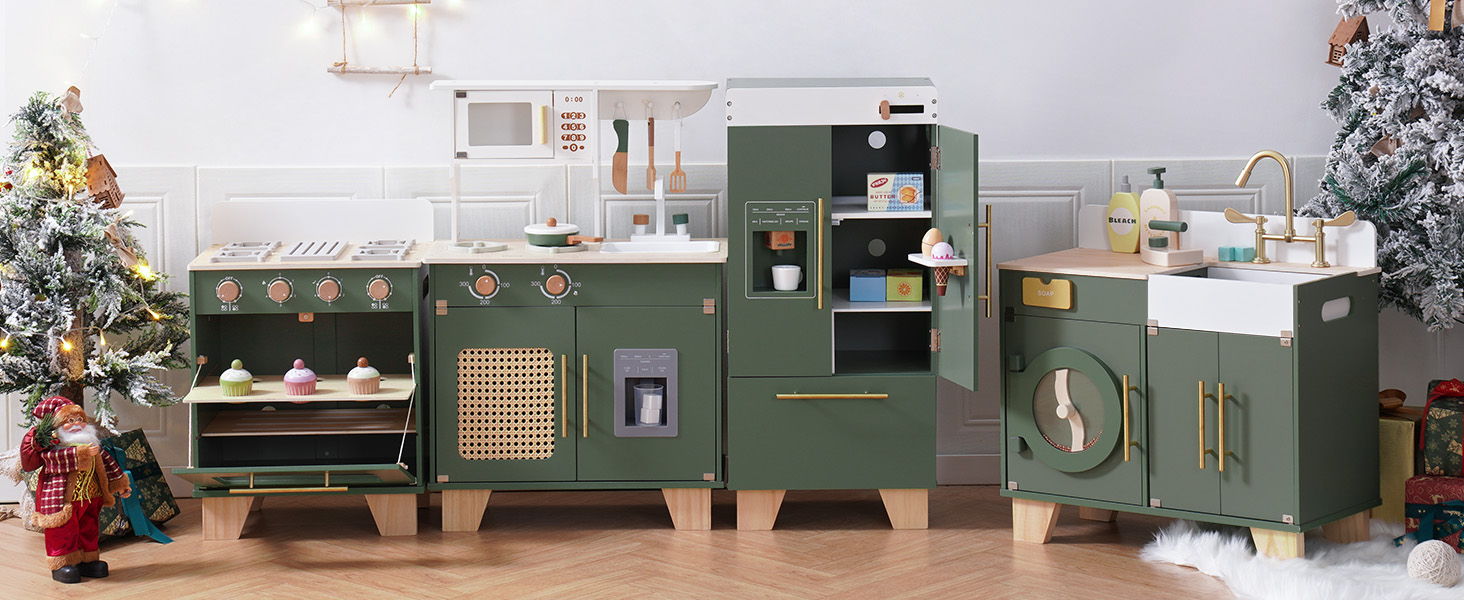
A play kitchen can turn your child's playtime into an exciting realm of creativity and learning. It promotes imaginative play, enabling your child to take on roles, try out new ideas, and enhance problem-solving abilities. Engaging in activities like turning knobs or opening doors helps improve fine motor skills and hand-eye coordination. Play kitchens also encourage social interaction, fostering teamwork and communication as children collaborate or prepare pretend meals together. When you choose a suitable play kitchen, you offer a resource that inspires creativity, supports developmental growth, and adds joy to your child's daily play experience.
Key Takeaways
-
Choose a play kitchen that matches your child's age and developmental stage to enhance their play experience and skill-building.
-
Look for kitchens with safety features like rounded edges and sturdy construction to ensure a secure play environment.
-
Consider the size and portability of the kitchen to fit your available space and allow for easy relocation when needed.
-
Select high-quality materials, such as non-toxic wood or BPA-free plastic, to ensure durability and safety for your child.
-
Incorporate built-in storage solutions to teach your child organization skills while keeping the play area tidy.
-
Opt for kitchens with realistic features and accessories to foster imaginative play and encourage creativity.
-
Evaluate the long-term value by choosing a kitchen that can grow with your child, offering adjustable features and versatile play options.
How to Choose a Suitable Play Kitchen Based on Age and Development
Matching the Play Kitchen to Your Child's Age
When you choose a suitable play kitchen, your child’s age plays a critical role. Younger children, typically between 1 and 3 years old, benefit from simpler designs. Look for kitchens with large knobs, easy-to-grasp handles, and minimal small parts. These features ensure safety while allowing toddlers to explore basic pretend play. At this stage, children enjoy mimicking everyday tasks, such as stirring a pot or opening an oven door, which helps them develop fine motor skills and hand-eye coordination.
For preschoolers and older children, more detailed play kitchens become ideal. Kids aged 4 and above often prefer kitchens with realistic features like microwave doors, multiple burners, and functional storage spaces. These elements encourage imaginative play and allow them to engage in more complex role-playing scenarios. A taller kitchen that matches their height ensures comfortable play and keeps them engaged for longer periods.
Tip: The ideal height for a play kitchen should align with your child’s hips. This ensures they can comfortably interact with all the features.
Supporting Developmental Milestones
A well-chosen play kitchen supports your child’s developmental growth at every stage. For toddlers, it fosters sensory exploration and introduces them to cause-and-effect relationships. Turning a knob or opening a cabinet door teaches them how actions lead to outcomes, building cognitive skills. These simple interactions also strengthen their problem-solving abilities.
As children grow, play kitchens help them practice social and communication skills. When playing with siblings or friends, they learn to share, collaborate, and take turns. Pretend cooking or hosting a tea party encourages teamwork and builds emotional intelligence. Additionally, engaging with a play kitchen nurtures creativity. Children can invent recipes, role-play as chefs, or even create their own restaurant scenarios.
Research Insight: Studies highlight that play kitchens promote imaginative play, which is essential for developing problem-solving skills, creativity, and social interaction.
By choosing a play kitchen that aligns with your child’s age and developmental needs, you provide a tool that grows with them. It becomes more than just a toy—it transforms into a platform for learning and skill-building.
Size and Space Considerations for a Play Kitchen
Measuring Your Available Space
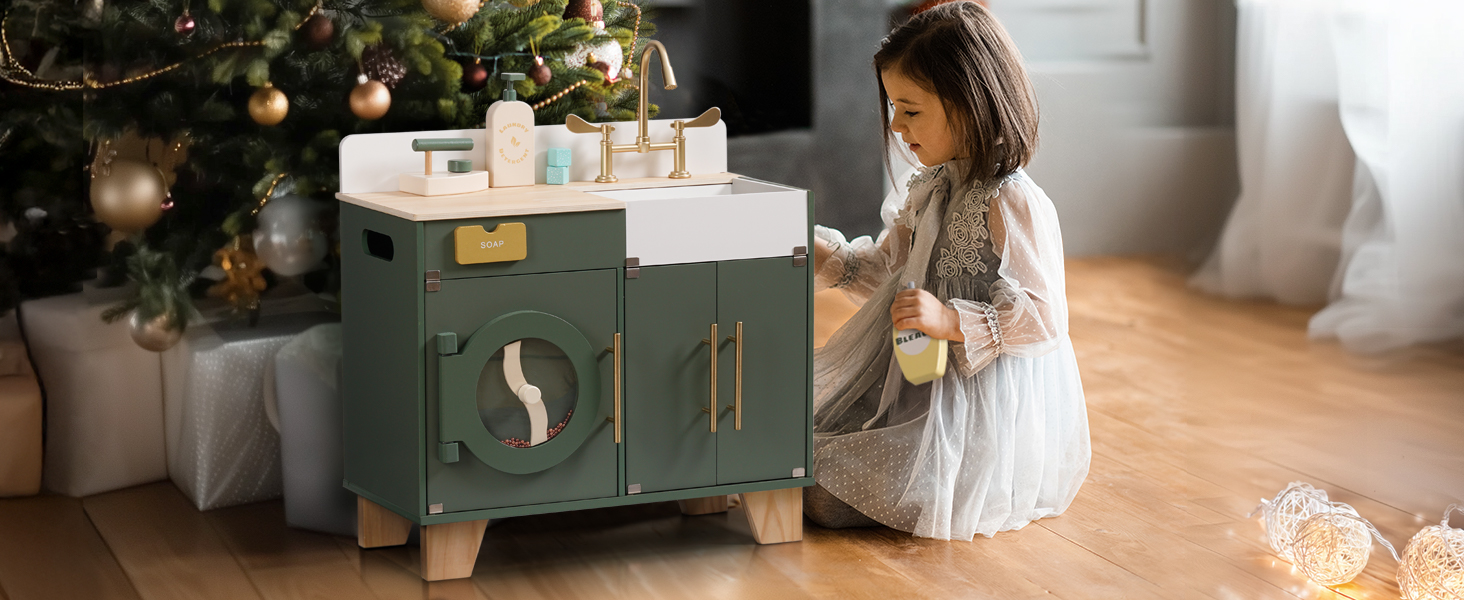
Before purchasing a play kitchen, evaluate the space where you plan to place it. Measure the dimensions of the area to ensure the kitchen fits comfortably without overcrowding the room. A compact kitchen works well in smaller spaces, while larger kitchens suit playrooms or open areas. Keep in mind that the kitchen should leave enough room for your child to move around freely during play.
Tip: Most play kitchens have similar sizes, but always double-check the measurements to avoid surprises. Ensure there’s enough space for bins or trays if you plan to add extra storage.
Consider the height of the play kitchen as well. A kitchen that aligns with your child’s hips ensures they can interact with all features comfortably. This ergonomic design enhances their play experience and keeps them engaged for longer periods.
Portability and Storage Options
Portability is another important factor when choosing a play kitchen. Lightweight models with wheels or easy-to-move designs allow you to relocate the kitchen as needed. This flexibility is especially useful if you want to switch between rooms or store the kitchen away when not in use.
Built-in storage options make a significant difference in keeping the play area organized. Look for kitchens with shelves, cabinets, or hooks to store accessories like pots, pans, and utensils. These features not only reduce clutter but also teach your child the importance of tidiness and responsibility.
Fun Fact: Play kitchens with ample storage encourage children to incorporate cleanup into their play. This makes organization a natural part of their routine.
If space is limited, consider foldable or compact designs that can be easily stored when not in use. These options save space while still providing a full play experience. By choosing a kitchen with thoughtful storage and portability features, you create a functional and enjoyable play environment for your child.
Ensuring Quality, Durability, and Safety in a Play Kitchen
Choosing High-Quality Materials
When you choose a suitable play kitchen, the materials used should be your top priority. High-quality materials ensure the kitchen lasts through years of play and remains safe for your child. Many play kitchens are made from either wood or plastic, each offering unique benefits. Wooden play kitchens provide a classic and sturdy feel. They are heavier, making them less likely to tip over during play. On the other hand, plastic kitchens are lightweight and easier to move, which is ideal if you need portability.
Opt for materials that are non-toxic and child-friendly. Look for kitchens made from BPA-free plastic or sustainable wood. These materials not only ensure safety but also contribute to a healthier environment. Additionally, check for finishes like non-toxic paint or varnish. These coatings prevent harmful chemicals from coming into contact with your child’s skin.
Durability is another critical factor. Solid wood or high-quality plastic ensures the kitchen withstands rough handling and frequent use. Investing in durable materials saves you money in the long run, as the kitchen will remain intact and functional even after years of play.
Pro Tip: Wooden play kitchens often allow for customization. You can repaint or add personal touches to match your child’s preferences or your home decor.
Ensuring Safety Features
Safety should never be compromised when selecting a play kitchen. Start by examining the edges and corners. Rounded edges and smooth surfaces reduce the risk of injuries during play. Avoid kitchens with sharp corners or poorly finished edges that could harm your child.
Check for stability. A sturdy base prevents the kitchen from tipping over, especially when children lean on it or open doors. If you choose a lightweight plastic kitchen, ensure it has a wide base or anti-tip features for added safety.
Inspect the hardware and moving parts. Doors, knobs, and drawers should operate smoothly without pinching fingers. Look for kitchens with soft-close mechanisms or magnetic closures to prevent accidental slamming. Additionally, ensure all small parts are securely attached to avoid choking hazards.
Materials used in the kitchen should meet safety standards. Verify that the kitchen is free from harmful substances like lead or phthalates. Many manufacturers include safety certifications on their products, so look for labels that indicate compliance with child safety regulations.
Safety Reminder: Always supervise younger children during play, especially if the kitchen includes small accessories or detachable parts.
By prioritizing quality, durability, and safety, you create a secure and enjoyable play environment for your child. A well-made play kitchen not only enhances their play experience but also gives you peace of mind.
Features and Accessories to Look for in a Play Kitchen
Must-Have Features for Realistic Play
When you choose a suitable play kitchen, realistic features can elevate your child’s playtime experience. These elements mimic real-life kitchen functions, making pretend play more engaging and immersive. Look for kitchens with interactive components like turning knobs, opening doors, and working ice dispensers. These features allow children to replicate everyday tasks, fostering creativity and problem-solving skills.
Some play kitchens include advanced elements such as lit cooktop burners, timer-controlled ovens, or sound effects that simulate sizzling or boiling. These additions create a sensory-rich environment, keeping your child entertained while enhancing their imaginative play. A refrigerator with a working ice dispenser or a microwave with functional buttons can also add a layer of realism that older kids will appreciate.
Pro Tip: Kitchens with multiple appliances, such as a stove, oven, and sink, provide a complete setup for role-playing scenarios like cooking, baking, or hosting a pretend dinner party.
Durability and design also matter. Sturdy play kitchens with smooth finishes ensure safety and longevity. Wooden kitchens often offer a classic look and robust build, while plastic models are lightweight and easier to move. Both options can include realistic details, so choose based on your child’s preferences and your space requirements.
Accessory Sets to Enhance Play
Accessories transform a play kitchen from a simple toy into a vibrant world of possibilities. Pots, pans, utensils, and pretend food are essential for creating a dynamic play experience. These items allow children to explore various cooking activities, from frying eggs to baking cookies, sparking their imagination and creativity.
Some play kitchens come with built-in accessory sets, while others require separate purchases. Look for sets that include durable and child-safe materials. For example, a set with a pot, pan, cookie sheet, spatula, and serving spoon can cover most pretend cooking needs. Adding place settings for two or more encourages social interaction, as children can role-play hosting meals or running a pretend café.
Fun Idea: Use themed accessory sets, like a baking kit or a pizza-making set, to introduce specific activities. These themes can inspire new storylines and keep playtime fresh and exciting.
Interactive accessories, such as wooden play food with Velcro attachments or cutting boards, add another layer of engagement. Children can "slice" fruits and vegetables, enhancing their fine motor skills while learning about food preparation. Vintage-style phones or recipe cards can also encourage storytelling and role-playing.
Did You Know? Accessories like pretend spices, timers, or aprons can make the play experience feel even more authentic. These small details help children immerse themselves in their imaginative world.
By combining a well-designed play kitchen with thoughtfully chosen accessories, you create an environment that supports open-ended play. This setup not only entertains but also nurtures essential developmental skills like communication, teamwork, and creativity.
Storage and Organization in a Play Kitchen
Built-In Storage Solutions
A play kitchen with built-in storage offers more than just a tidy play area. It provides a practical way to keep accessories like pots, pans, and pretend food organized. Shelves, cabinets, and hooks integrated into the design make it easy for your child to store items after play. These features also help you avoid clutter in your home, ensuring the play area remains neat and functional.
Smaller storage spaces in play kitchens encourage toddlers to develop organization skills. They learn to arrange items efficiently, fostering creativity and responsibility. For example, a small shelf can teach your child to stack plates neatly or line up utensils in an orderly manner. This process introduces the concept of tidiness early on, making cleanup a natural part of their routine.
Larger storage spaces cater to older preschoolers and school-aged children. These kitchens accommodate more accessories, allowing for diverse role-playing scenarios. Your child can set up elaborate pretend meals or host imaginary dinner parties with ease. The additional storage also supports their growing interest in more complex play setups.
Tip: Look for play kitchens with labeled compartments or color-coded storage areas. These features make it easier for your child to identify where each item belongs, reinforcing organizational habits.
Encouraging Kids to Stay Organized
Teaching your child to stay organized begins with creating a system they can follow. A play kitchen with built-in storage simplifies this process. You can guide your child to assign specific spots for different items, such as placing utensils in a drawer or storing pretend food on a shelf. This practice helps them understand the importance of keeping things in order.
Incorporating cleanup into playtime makes organization feel less like a chore. Encourage your child to "close the restaurant" or "clean the kitchen" as part of their pretend play. This approach turns tidying up into an engaging activity, reinforcing the habit of putting things away after use.
Fun Idea: Use a timer to make cleanup a game. Challenge your child to organize the kitchen before the timer runs out. This adds excitement to the task and motivates them to stay organized.
Role modeling also plays a crucial role. When you demonstrate how to organize items or praise their efforts, your child feels encouraged to maintain a tidy play area. Over time, these habits extend beyond the play kitchen, fostering a sense of responsibility in other aspects of their life.
By choosing a play kitchen with thoughtful storage solutions and encouraging organizational habits, you create a space that is both enjoyable and educational. This not only enhances your child’s play experience but also instills valuable life skills they will carry forward.
Long-Term Play Value of a Play Kitchen
Choosing a Kitchen That Grows with Your Child
Selecting a play kitchen that adapts to your child's growth ensures long-term value. Adjustable features, such as countertops that can be raised or lowered, allow the kitchen to remain comfortable as your child grows taller. This adaptability keeps the play kitchen relevant and engaging for years.
Look for designs that cater to a wide age range. Kitchens with simple features, like large knobs and easy-to-open doors, suit toddlers. As your child matures, more intricate elements, such as multiple appliances or realistic sound effects, can capture their interest. A versatile play kitchen evolves with your child’s developmental stages, offering new challenges and opportunities for creativity.
Pro Tip: Choose a neutral or timeless design. This ensures the kitchen appeals to your child as they grow and matches your home decor over time.
Durability also plays a key role in long-term use. High-quality materials, such as solid wood or sturdy plastic, withstand years of play. A well-built kitchen not only saves money but also provides a consistent play experience. By investing in a durable and adaptable play kitchen, you create a toy that grows alongside your child.
Encouraging Open-Ended Play
A play kitchen designed for open-ended play unlocks endless possibilities for your child’s imagination. Open-ended play allows children to create their own scenarios, fostering creativity and problem-solving skills. For example, your child might pretend to run a restaurant one day and host a tea party the next. This flexibility keeps playtime fresh and exciting.
Research highlights the benefits of open-ended toys in child development. Children who engage with simple, open-ended toys often show improved creativity, language skills, and social interaction. A play kitchen encourages these behaviors by providing a blank canvas for imaginative play. Your child can invent recipes, role-play as a chef, or even create a pretend cooking show.
Scientific Insight: Studies show that open-ended play materials support brain development by allowing children to make choices and express their independence.
Accessories also enhance open-ended play. Items like pretend food, utensils, and aprons inspire new storylines and activities. Adding themed sets, such as a bakery kit or a pizza-making set, introduces variety and keeps your child engaged. These tools encourage your child to explore different roles and scenarios, enriching their play experience.
Fun Idea: Rotate accessories periodically to spark new ideas. Introducing seasonal themes, like holiday baking or summer barbecues, adds excitement to playtime.
By choosing a play kitchen that supports open-ended play, you provide your child with a platform for creativity and growth. This type of play not only entertains but also nurtures essential skills, ensuring the kitchen remains a valuable part of your child’s development.
Ease of Assembly and Maintenance for a Play Kitchen
Simple Assembly Instructions
When selecting a play kitchen, ease of assembly should be a priority. A straightforward setup ensures your child can start playing without unnecessary delays. Many modern play kitchens, like the Farmhouse Play Kitchen with EZ Kraft Assembly™, are designed with user-friendly assembly processes. These kitchens often include pre-assembled components or simplified instructions, reducing the time and effort required to put them together. For example, the enhanced Play Kitchen takes just five minutes to assemble. You only need to attach the faucet and feet, making it an excellent choice for busy parents.
Some brands also provide labeled parts and step-by-step guides to make the process even smoother. Models like the Uptown Elite Espresso Play Kitchen with EZ Kraft Assembly™ are perfect for those who want a hassle-free experience. These designs eliminate the frustration of complex setups, allowing you to focus on creating a fun play environment for your child.
Tip: Before starting assembly, organize all the parts and tools. This preparation can save time and prevent confusion during the process.
If you prefer a kitchen that requires minimal effort, consider options like the Hape Fun Fan Fryer, which is designed for quick and easy setup. These models ensure your child can dive into imaginative play almost immediately after unboxing.
Easy-to-Clean Materials
Maintenance is another crucial factor when choosing a play kitchen. Children often spill or scatter pretend food and accessories during play, so selecting a kitchen with easy-to-clean materials can save you time and effort. Wooden play kitchens, such as those paired with the Wooden Food Cutting Toy with Fruits & Vegetables, are particularly convenient. Their smooth surfaces allow you to wipe them down quickly, ensuring a hygienic play environment.
Plastic kitchens also offer excellent cleaning benefits. Their non-porous surfaces resist stains and can be cleaned with a damp cloth. For instance, the Uptown Elite White Play Kitchen features durable materials that maintain their appearance even after frequent use. These kitchens are ideal for parents who want a low-maintenance option.
Pro Tip: Use a mild soap solution or child-safe cleaning spray to keep the play kitchen spotless. Regular cleaning not only maintains the kitchen’s appearance but also ensures a safe play area for your child.
Some play kitchens come with additional features that simplify maintenance. For example, the Farm to Table Play Kitchen includes accessories made from kid-safe wood and stainless steel, which are easy to clean and long-lasting. These thoughtful details enhance the overall usability of the kitchen, making it a practical choice for families.
By choosing a play kitchen with simple assembly and easy-to-clean materials, you create a stress-free experience for both you and your child. These features ensure the kitchen remains a source of joy and creativity without adding extra work to your daily routine.
Budget Considerations When You Choose a Suitable Play Kitchen
Balancing Quality and Affordability
When you choose a suitable play kitchen, balancing quality and affordability becomes essential. High-quality play kitchens often come with durable materials, realistic features, and safety certifications. These kitchens may cost more upfront, but they provide long-term value by lasting through years of play. Wooden play kitchens, for example, offer sturdiness and a classic design, while plastic models are lightweight and budget-friendly. Both options can meet your needs if you carefully evaluate their features.
To find the right balance, start by identifying your priorities. If durability and safety rank high on your list, investing in a well-built kitchen with non-toxic materials is worth considering. On the other hand, if you’re looking for a short-term option, a simpler and more affordable model might suffice. Many brands offer mid-range play kitchens that combine quality and affordability, making them ideal for families on a budget.
Tip: Look for sales or discounts during holidays or special events. Many retailers offer significant price reductions on popular play kitchen models.
Another way to save money is by choosing a kitchen with fewer built-in accessories. You can purchase additional items like utensils or pretend food separately over time. This approach allows you to spread out the cost while still creating a complete play experience for your child.
Evaluating Value for Money
Evaluating the value for money involves more than just comparing prices. A play kitchen’s features, durability, and educational benefits all contribute to its overall worth. Kitchens with interactive elements, such as turning knobs or sound effects, often provide a richer play experience. These features encourage creativity and problem-solving, making the kitchen more valuable in terms of developmental benefits.
Consider the size and adaptability of the kitchen as well. A model that grows with your child, such as one with adjustable countertops, offers extended use and better value. Similarly, kitchens with built-in storage or compact designs maximize functionality without taking up too much space.
Pro Tip: Read customer reviews to understand how a play kitchen performs in real-life settings. Reviews often highlight details about durability, ease of assembly, and overall satisfaction.
Think about the accessories included with the kitchen. Some models come with complete sets of pots, pans, and pretend food, which can save you money on additional purchases. However, ensure these accessories are made from safe and durable materials. A kitchen with high-quality accessories adds to its value by enhancing your child’s play experience.
Finally, compare warranties or return policies. A play kitchen with a solid warranty provides peace of mind, especially if you’re investing in a higher-priced model. Brands that stand behind their products often deliver better quality, ensuring you get the most out of your purchase.
By carefully balancing quality and affordability and evaluating the overall value for money, you can choose a suitable play kitchen that meets your child’s needs without exceeding your budget.
When you choose a suitable play kitchen, you create more than just a play area—you provide a tool for growth, creativity, and joy. By considering your child’s age, interests, and developmental needs, you ensure the kitchen aligns with their abilities and imagination. Practical factors like size, safety, and budget also play a vital role in making the right choice. A thoughtfully selected play kitchen becomes a cherished part of your child’s early years, offering endless opportunities for skill-building and imaginative play. Take your time to evaluate options and invest in a play kitchen that brings lasting value to your family.
FAQ
What factors should you consider when choosing a high-quality play kitchen?
When selecting a play kitchen, focus on safety, durability, and educational value. Look for age-appropriate features that match your child’s developmental stage. A well-chosen play kitchen not only entertains but also supports skill-building and imaginative play. By prioritizing these factors, you can ensure the kitchen becomes a cherished part of your child’s early years.
What materials make a play kitchen safe for children?
To ensure safety, choose play kitchens made from non-toxic materials. Look for BPA-free plastic, sustainable wood, or child-safe paint and finishes. These materials reduce the risk of exposure to harmful substances while providing a durable and fun play environment.
What are the benefits of play kitchens for kids of all ages?
Play kitchens offer numerous benefits for children across different age groups. They encourage imaginative play, helping kids develop creativity and problem-solving skills. Younger children improve their motor skills by interacting with knobs and doors, while older kids enhance their social and communication abilities through role-playing scenarios. A play kitchen provides a versatile platform for learning and fun.
Key Insight: Play kitchens foster cognitive, social, and motor skill development, making them a valuable addition to any child’s playtime.
What features should you look for in a play kitchen for younger children?
For toddlers, simplicity is key. Choose play kitchens with large, easy-to-grasp knobs and handles. Avoid small parts that could pose choking hazards. A minimalistic design allows younger children to explore safely while developing their fine motor skills and hand-eye coordination.
How can you make a play kitchen more engaging for your child?
Consider adding fun accessories like pretend food, utensils, or themed sets. Items such as a pizza-making kit or a baking set can inspire new storylines and keep playtime exciting. Rotating accessories periodically introduces variety, sparking fresh ideas and maintaining your child’s interest.
Fun Idea: Incorporate seasonal themes, like holiday baking or summer barbecues, to make playtime even more engaging.
What is the most crucial factor when choosing a play kitchen?
Safety should always come first. Ensure the play kitchen has rounded edges, stable construction, and non-toxic materials. Check for certifications that confirm the product meets child safety standards. A safe play kitchen gives you peace of mind while your child enjoys hours of creative play.
How do play kitchens support your child’s development?
Play kitchens encourage open-ended play, which nurtures creativity and independence. They help children practice problem-solving, teamwork, and communication skills. By engaging in pretend cooking or hosting tea parties, kids learn to express themselves and interact with others effectively.
Did You Know? Studies show that imaginative play supports brain development and enhances social-emotional learning.
What are some fun ideas to consider when picking a play kitchen?
Think about your child’s interests and preferences. If they enjoy baking, look for a kitchen with an oven and baking accessories. For kids who love hosting, choose a model with multiple appliances and pretend food sets. Personalizing the play kitchen to your child’s hobbies makes it more enjoyable and meaningful.
How can you ensure a play kitchen lasts for years?
Durability is essential for long-term use. Opt for high-quality materials like solid wood or sturdy plastic. Adjustable features, such as countertops that grow with your child, add value by extending the kitchen’s usability. A well-built play kitchen withstands years of play and remains a favorite toy as your child grows.
Are play kitchens worth the investment?
Absolutely! Play kitchens provide endless opportunities for learning and fun. They support your child’s cognitive, social, and motor skill development while fostering creativity. By choosing a durable and safe model, you invest in a toy that offers lasting value and joy for your family.
Kommentar